To commission a bespoke suit is to enter into a dialogue with tradition. The word "bespoke" itself originates from the era when a piece of cloth was "spoken for" by a customer. Today, it represents the absolute pinnacle of menswear craft, standing in stark contrast to off-the-rack and made-to-measure alternatives.
Bespoke vs. Made-to-Measure
It is vital to distinguish between these two frequently conflated terms. Made-to-measure relies on standard baseline patterns (blocks) that are mathematically adjusted to correspond closer to your measurements. The suit is typically machine-cut and largely machine-assembled.
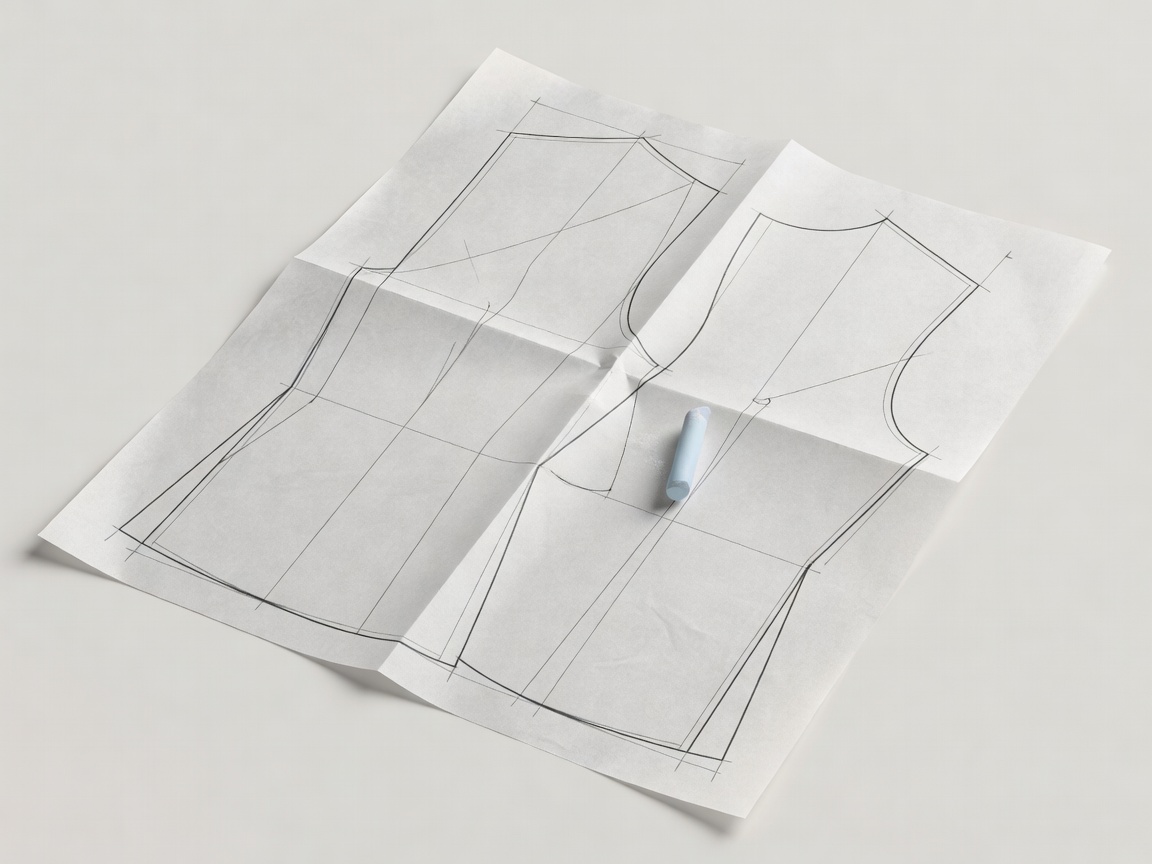
Bespoke is bound by no preexisting patterns. A paper pattern is drafted exclusively for the patron. The garment features a full floating canvas—never fused with glue—allowing the suit to mold to the wearer's body over time.
"A true bespoke pattern is a topographical map of a man's posture, capturing the subtle asymmetry of the human form."
The Initial Consultation
The process commences with a deeply personal consultation. A tailor will inquire about the intended purpose of the garment, travel habits, climate requirements, and stylistic preferences. This is the moment where cloth, lining, and button choices are finalized.
The Canvas Construction
Beneath the surface of the wool lies the engine of the suit: the canvas. Woven from horsehair, camel hair, and wool, this internal structure provides the jacket with memory. Unlike fused suits which stiffen and bubble, a floating canvas moves dynamically, creating a rolling lapel that is the hallmark of high sartorial art.
Cutting the Cloth
Once the individual pattern is drafted, the cutter translates it onto the chosen fabric using tailor's chalk. It is a process requiring immense spatial awareness, ensuring patterns like checks and pinstripes align perfectly across seams. The cloth is then struck out and cut entirely by hand, setting the stage for the crucial fitting process.